Race against time: Kawahiva demarcation begins in Brazil’s Amazon
May 7, 2026
 © FUNAI
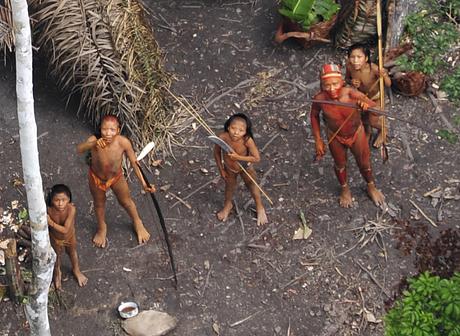
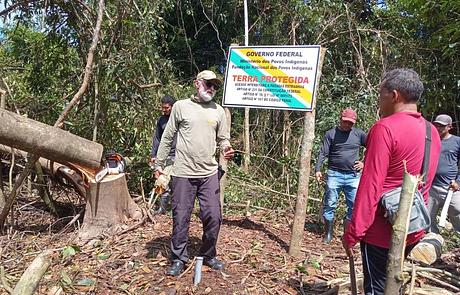
More than 25 years after the existence of the uncontacted Indigenous people known as the Kawahiva do Rio Pardo was officially confirmed, the demarcation of their territory in central Brazil began this week.
But Survival International warns that the demarcation — beset by years of delays — must be completed swiftly, as the uncontacted Kawahiva who live there face two imminent threats.
- The upgrade of a road that runs parallel to the southern border of the Kawahiva’s territory is a likely catalyst for colonization and deforestation, as is typical in the Amazon. Land grabbers, loggers and cattle ranchers have already invaded land around the territory, destroying thousands of hectares of forest and establishing cattle ranching. A paved and improved road would open those areas to further destruction.
- Brazil’s general election, scheduled for October, also brings a threat as it may result in the election of Flávio Bolsonaro as president of Brazil. The son of Jair Bolsonaro, Flavio has pledged that, if he’s elected, no new Indigenous reserves will be demarcated in Mato Grosso, so it’s vital that the demarcation is completed before the next president’s term begins in January 2027.
The election campaign season is already perilous. Indigenous territories are increasingly targeted by land grabbers as politicians incentivize or turn a blind eye to invasions in return for support for their campaigns.
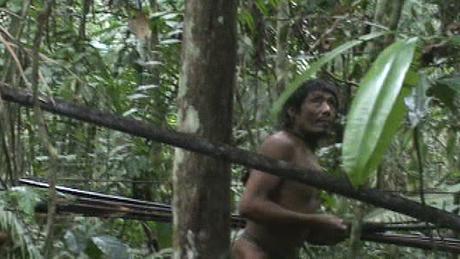 © FUNAI
Survival International’s Director Caroline Pearce said today: “For years, bureaucratic delays, political horse-trading and weaponised court cases have left the Kawahiva’s territory unprotected, while the forest surrounding them has been torn up.
“The demarcation of their lands is a huge step towards securing justice and the Kawahiva’s right to live in safety on their own land. But this is now a race against time – the demarcation must be completed swiftly to ensure that the Kawahiva and their forest home are not destroyed for good.”
Jair Candor, the renowned FUNAI official in charge of protecting the territory from invasions, told O Globo this week: “I’m speechless. I’ve been here for 26 years, waiting for this moment. So to me, this is priceless. You know about my struggle, my fight to hold on and keep this group safe. This was my biggest dream! It was to retire, pass the baton to others who are coming up, other co-workers, but at least leave this settled. We know we haven’t won the war, but at least we’ve won another battle.”
Once physical demarcation of the territory is completed, a presidential decree is the last step of the legal process to create the Indigenous territory.
History of the Kawahiva campaign
- The Kawahiva do Rio Pardo are nomadic hunter-gatherers who rely totally on the forest for their livelihood and well-being, and clearly reject contact.
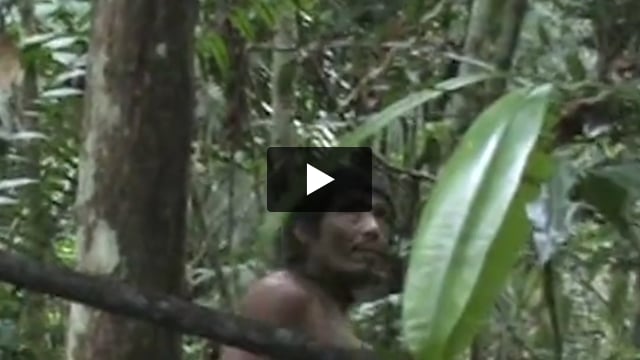
FUNAI confirmed the existence of uncontacted people in this territory in 1999. Later, in 2013, the government agency released unique footage of nine uncontacted Kawahiva walking in the forest. - In 2016, following intense campaigning by Survival alongside organizations in Brazil, and pressure from thousands of Survival supporters around the world, the Justice Ministry declared the Kawahiva’s forest an Indigenous Territory. But the land demarcation process has since been paralyzed by fierce opposition by local politicians and agribusinesses.
- Survival has campaigned for the land rights of the Kawahiva for decades, alongside Indigenous organizations, including COIAB (Coordenação das Organizações Indígenas da Amazônia Brasileira), FEPOIMT (Federação dos Povos e Organizações Indígenas de Mato Grosso) and the Indian Law Resource Center, along with allies OPAN (Operação Amazônia Nativa) and Opi (Observatório dos Povos Indígenas Isolados).