UNCONTACTED PEOPLES:

AT THE EDGE OF SURVIVAL

Get access to the new report

Exclusive Overview

Education

“Since our ancestors fought, now it is our turn to protect the territory for future generations as well.”

Alessandra Korap, Munduruku people, Brazil

Get the education latest!

Want to stay up to date with exciting new education resources, school events and Survival activities? Sign up to our education newsletter and we’ll send you updates two to three times a year.

Education doesn’t just happen in the classroom, it’s about each and every one of us stepping up and doing what we can to teach others about Indigenous rights – so they can go and do the same!

So whether you’re an educator looking for materials for your students, a keen activist looking to run a workshop or a supporter looking to dig deeper and share what you learn with friends - we’ve got you covered. Any questions, get in touch at [email protected].

PS: If you or your (fellow) students are interested in doing even more for Indigenous peoples’ rights, please check out our Get Involved page for ideas on how to get started.

Audiovisual resources

From binaural sound journeys to animated movies, there’s everything you could need here to bring enthusiasm for Indigenous peoples’ rights to even the youngest learners.

"My home is not yours to destroy"

"My home is not yours to destroy"

For ages 5-11

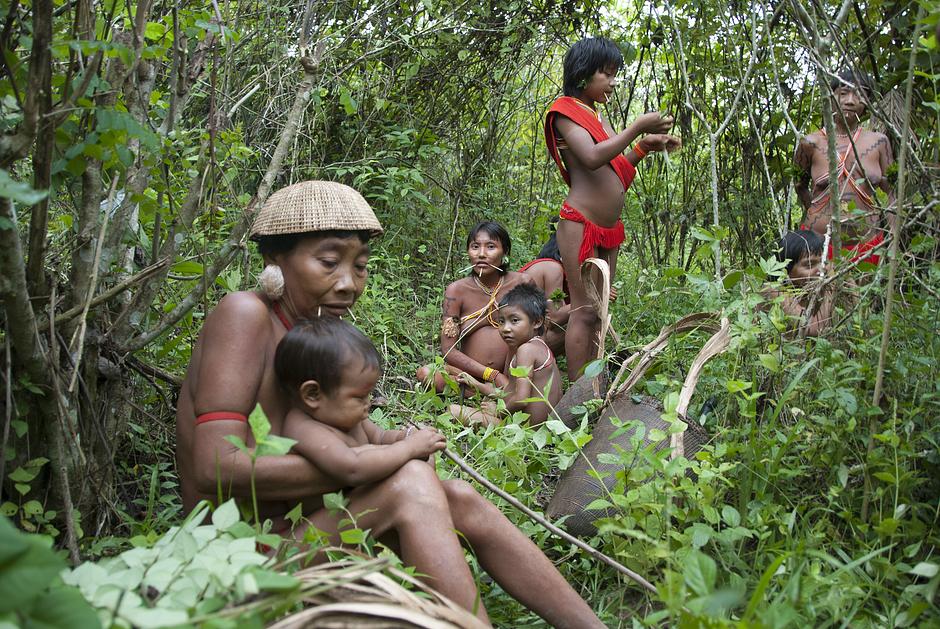
For the Yanomami, as for all Amazonian peoples, the rainforest is not just their home, it’s their life: they depend on it for their survival. So when illegal gold miners invade Yanomami land, the consequences for the people are devastating. But the Yanomami won’t back down. They continue to resist, doing everything they can to protect their lands and home.

With thanks to second year BA Animation and Visual Effects students from Falmouth University for creating this video.

"If you destroy the rainforest, you destroy us too"

"If you destroy the rainforest, you destroy us too"

For ages 5-11

Deforestation in the Amazon rainforest isn’t just an environmental catastrophe, it’s a humanitarian disaster for the 1.5 million Indigenous people who call it home. Of course, it needn’t be this way: When the rights of Indigenous peoples are respected and their lands protected against outsiders, they can live so well in the rainforest.

"Without our forest, we are nothing"

"Without our forest, we are nothing"

For ages 5-11

Across the world millions of Indigenous people depend on forests for their survival. Who better to explain the devastating consequences of deforestation to your students? Here, Hamangai, Tainaky, Suzanne, and Temenggung explain how the forest is so much more than their home: it is essential to their lives and livelihoods.

"What do we feel living in the rainforest? We feel free"

"What do we feel living in the rainforest? We feel free!"

For ages 5-11

Here, Nixiwaka of the Yawanawá people in Brazil explains the importance of the Amazon rainforest to him and to all the 1.5 million Indigenous people who live there, along with the crucial role they play in protecting it. Satellite images show that protected Indigenous territories are a key barrier to deforestation, and hearing Nixiwaka speak, it’s easy to understand why.

"We’re happy now, the forest is ours"

"We're happy now: the forest is ours!"

For ages 5-11

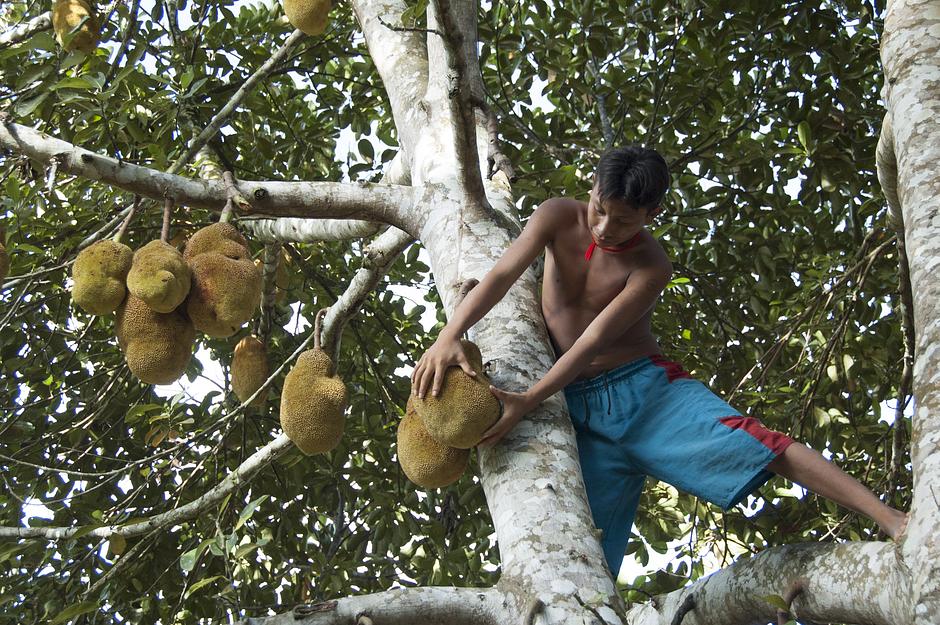
Around 1.5 million Indigenous people live in the Amazon. Here we join the Awá people, one of 400 Indigenous peoples that call the world’s largest rainforest home. Thanks to their extraordinary botanical and zoological knowledge, Amazonian Indigenous peoples are healthy, self-sufficient and happy living in, and from, the forest. But crucially, they can only continue to live well in the Amazon if outsiders are stopped from invading and destroying their land. They are doing everything they can to protect their forest.

How to make a rainforest shelter!

How to make a rainforest shelter!

For ages 5-11

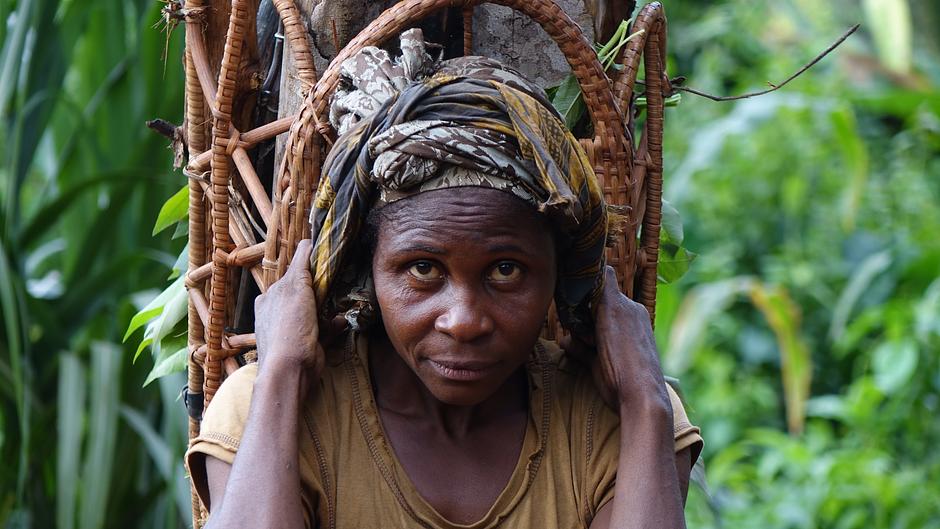
The Baka, who live in the Congo Basin in Central Africa, are literally right at home in their rainforest - no surprise they're the best conservationists!

How to make an eco-backpack

How to make an eco-backpack

For ages 5-11

The Awá from Brazil don’t need any lessons in sustainability: watch how they turn leaves into an eco-backpack in just a few minutes!

"There is a lot left to learn from Indigenous peoples"

"There is a lot left to learn from Indigenous peoples"

For ages 11-18

In this video, Indigenous people highlight the crucial role they have to play in tackling the climate crisis. And yet, for too long the world’s Indigenous peoples have been sidelined from climate crisis discussions and their knowledge and expertise dismissed as “primitive”. What’s more, climate crisis “mitigation measures”, such as “nature-based solutions”, all too often result in Indigenous peoples being evicted from their ancestral territories, and their lives destroyed.

When the miners came

When the miners came

For ages 11-18

Indigenous territories are being mined and destroyed without Indigenous consent. This is not just an environmental disaster, but also a violation of Indigenous rights and a humanitarian catastrophe. Not only does mining devastate the environment but it threatens the lives and livelihoods of Indigenous peoples who live there and depend on nature for their survival. But they’re determined to defend their land and their livelihoods.

"What would we get from mining? Nothing at all"

"What would we get from mining? Nothing at all"

For ages 11-18

We asked Indigenous peoples from across the world what they thought about mining on Indigenous land: here’s what they want you to know.

"All we want is for our land to be free"

"All we want is for our land to be free"

For ages 11-18

Indigenous peoples are extraordinarily diverse and there’s a lot to learn from them. In 2019, Tainaky Tenetehar, an Amazon Guardian from Brazil, explained what the forest means to his people and why Indigenous peoples are fighting to protect their land.

Why national parks are not as good as you think…

Why national parks are not as good as you think …

For ages 11-18

Did you know that the creation of Protected Areas for conservation has led to hundreds of thousands of Indigenous peoples being evicted from their ancestral lands? In this video, ecologist and Survival consultant Mordecai Ogada speaks about the problems of national parks for which governments and NGOs have stolen vast areas of land from Indigenous peoples and local communities under the false claim that this is necessary for conservation. However, evidence proves Indigenous peoples manage their environment and its wildlife better than anyone else and when they have secure rights over their land, they achieve at least equal if not better conservation results at a fraction of the cost of conventional conservation programs. This is why we must decolonize conservation!

"We’re defending nature and protecting the environment for everyone"

"We’re defending nature and protecting the environment for everyone"

18+

Indigenous peoples worldwide are going to extraordinary lengths to try and save the planet. Here, Indigenous leader Olimpio Santos Guajajara reveals how he and other Amazon Guardians risk their lives to protect their rainforest home from illegal loggers. In recent years, several Guardians have been murdered for their steadfast commitment to protecting the forest.

Sounds of the rainforest - We're here too!

For all ages

Close your eyes, put your headphones on and enjoy a few moments in the Amazon rainforest with this soundscape.

Amongst the plethora of birds (not to mention those pesky mosquitos) listen to members of the Yanomami people carrying out their daily lives in the heart of the rainforest.

Sounds of the rainforest - Is there anybody there?

For all ages

Close your eyes, put your headphones on and enjoy a few moments in the Amazon rainforest with this soundscape.

Sounds of the rainforest - Don't destroy our homes!

For all ages

Put your headphones on and hear the sounds of rainforest, and the sounds of logging and destruction in the rainforest in stark contrast to the sounds of the birds and insects.

Indigenous people hear the destruction of their forest every day.

Teaching resources

Whether your students are learning about sustainable development or you’re looking to teach about the role of Indigenous peoples in fighting the climate crisis, these lesson plans and other written materials are designed to help you amplify Indigenous voices in your classes.

Teaching guidance: Indigenous peoples: Dos & Don’ts

For teachers

This teaching guidance aims to help you educate about Indigenous peoples’ rights and struggles in a culturally sensitive manner. By bearing in mind our 5 key Dos & Don’ts it will be easier for you to effectively use our teaching resources for different age groups and promote the rights of Indigenous peoples in your classroom.

Discussion guide: Introduction to Indigenous peoples

For all ages

This resource serves as an introduction to who Indigenous peoples are and what problems they face worldwide. Teachers can choose between Activity A or B according to the respective ages of their students.

Resource guide: Audio-visual materials for younger learners

For ages 5-11

This resource guide features video testimonials from Indigenous peoples, introductory videos about the importance of the rainforest for Indigenous peoples (and its destruction), fun time-lapse videos as well as immersive sound resources.

Discussion guide: The Baka: 10 insightful facts

For ages 5-11

This discussion guide aims to foster students’ appreciation for Indigenous knowledge and highlight the profound connection Indigenous peoples, like the Baka, have with their environment.

Lesson series: Rainforests and Indigenous peoples

For ages 7-11

This three-part lesson series intends to foster students’ understanding of the deep connection Indigenous people like the Yanomami have with their rainforest, the consequences of its destruction as well as their role in protection the world’s rainforests.

Assembly pack: Rainforests & Indigenous peoples

For ages 7-11

Explore the rich biodiversity of rainforests and the lives of Indigenous peoples, with a focus on the Yanomami. This assembly pack aims to raise awareness about rainforest conservation and Indigenous rights, helping students connect with global environmental and human rights issues.

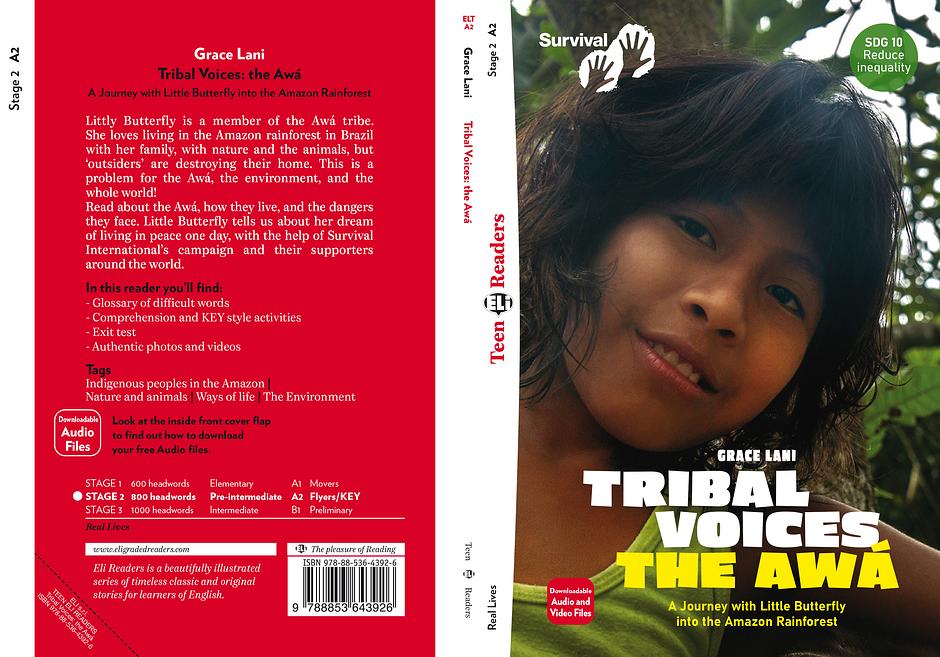
Activity book: Tribal Voices: the Awá (in collaboration with Survival)

For younger readers and pre-intermediate (A2) learners of the English language

Read about Little Butterfly - an Awá teenage girl - and learn about her daily life in the Amazon Rainforest. The Awá know their forests like we know the layout of our home. Everything the Awá need comes from the jungle. Sadly, the forest in which the Awá live is being destroyed and Little Butterfly wants everyone to know.

Discussion guide: Mining and Indigenous peoples

For ages 11-18

Across the world Indigenous territories are being mined and destroyed without Indigenous consent. This discussion guide covers the impact of mining on Indigenous peoples, two case studies showcasing Indigenous communities on the frontline of mining, as well as Indigenous people sharing their views on mining on Indigenous land.

Resource guide: Indigenous peoples and the Climate Crisis

For ages 11-18

This resource guide features audiovisual resources showing that Indigenous peoples are not just victims of the climate crisis: they are agents of change in the fightback against it and play a crucial role in protecting the natural world.

Discussion guide: Uncontacted Indigenous peoples

For ages 11-18

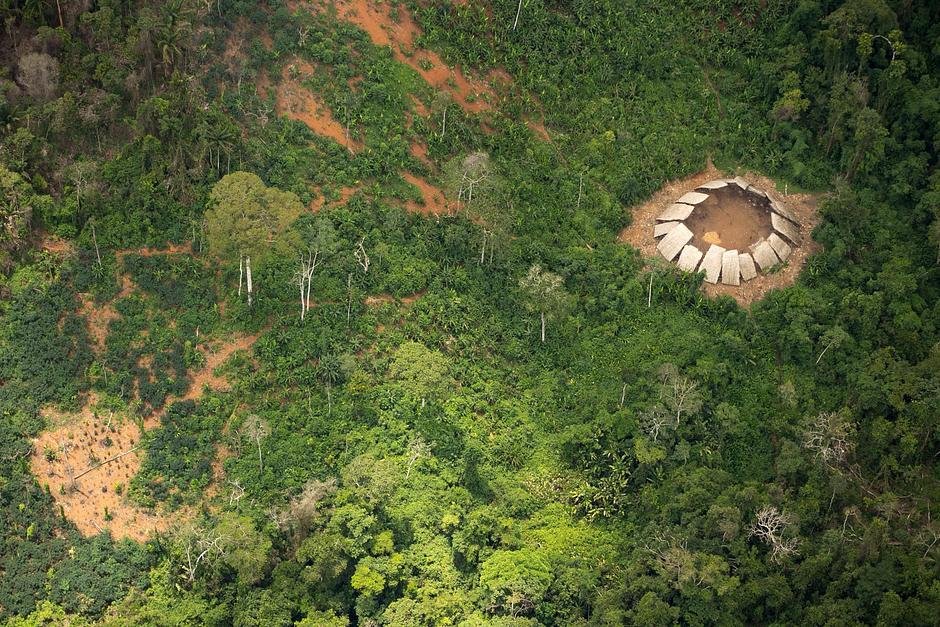
This guide intends to foster students’ understanding of who uncontacted Indigenous peoples are and what threats they face.

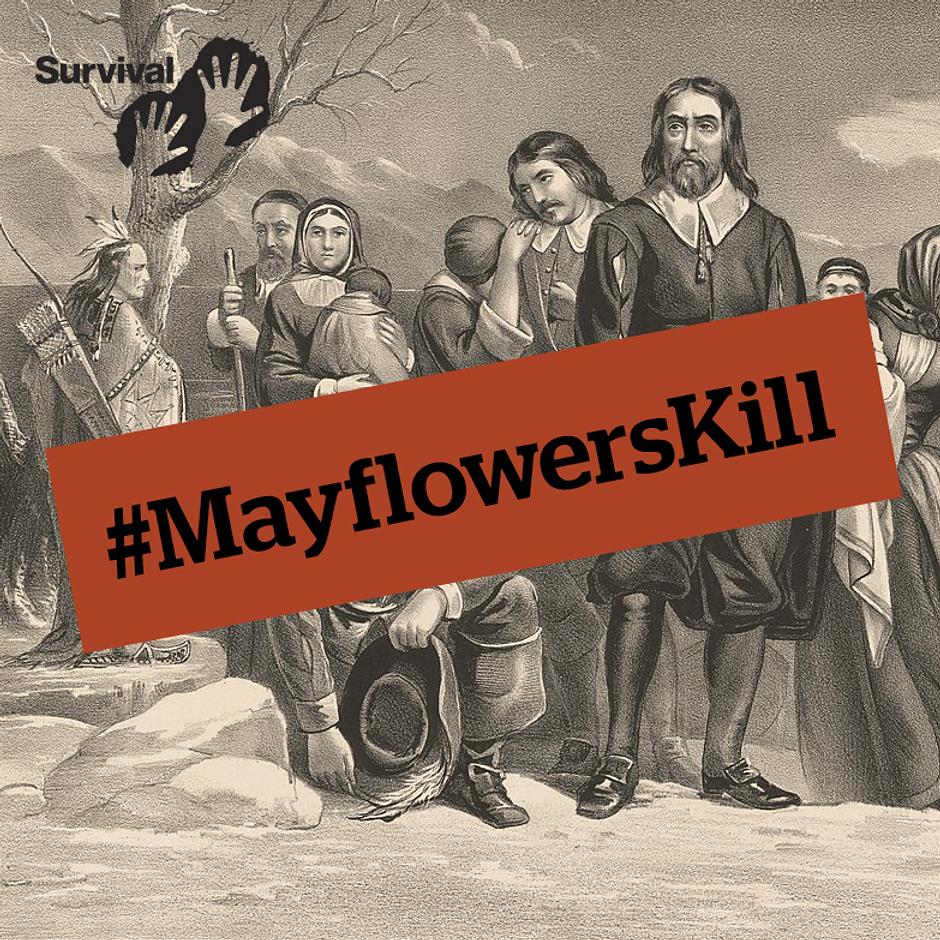
Education toolkit: Mayflowers Kill

For ages 11-18

These resources are centered on the voices of Indigenous people speaking about the history and legacy of colonialism. They help to counter colonial narratives and raise awareness about the ongoing genocide of Indigenous peoples today.

Activist resources

You can step up for Indigenous peoples, for nature, and for all humanity by giving a talk to your student group, sharing our materials on social media or campaigning for Indigenous peoples’ rights in your community. Use these resources and play your part in building a better future for us all.

Read, Watch and Get involved: Book and film recommendations

Organize a reading or movie night using our recommended list of books and films on Indigenous histories and struggles. Spotlight a current Survival International campaign and encourage attendees to take action together.

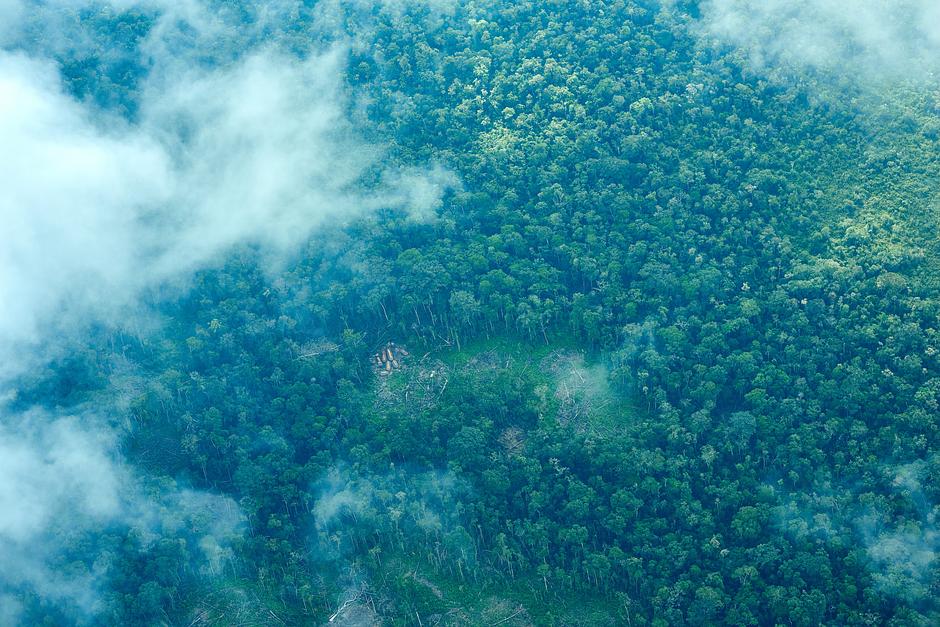
Uncontacted Indigenous Peoples: at the edge of Survival

“Uncontacted Indigenous Peoples: at the edge of Survival“ is based on Survival’s decades of research and close collaboration with Indigenous communities and experts. The report not only documents the devastating consequences of forced contact, land theft, and genocide, but also highlights the rights, resilience, and resistance of those affected – and their ongoing fight for self-determination.

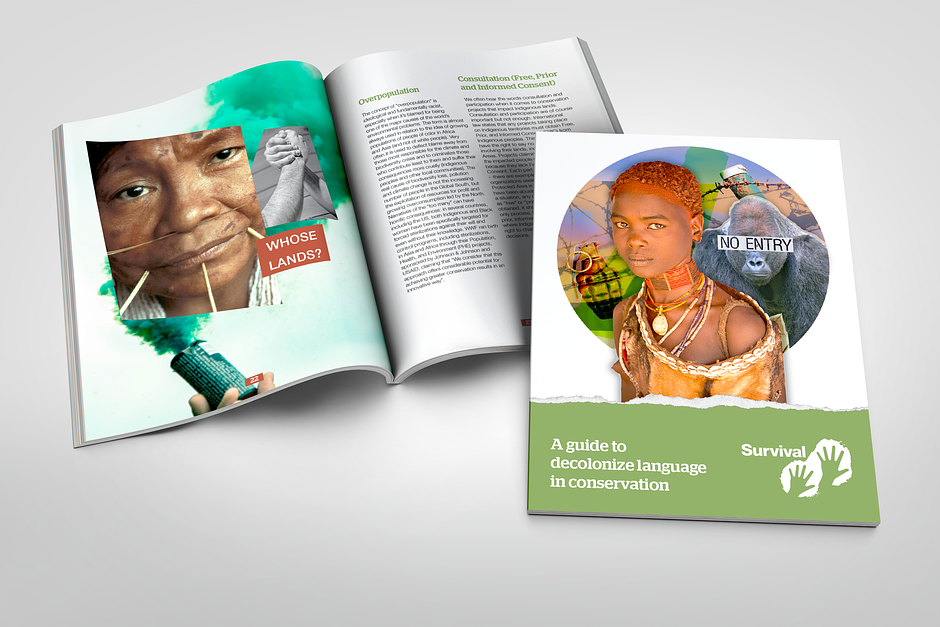
A guide to decolonize language in conservation

This guide is a basic resource for anyone who writes or talks about conservation, climate change and nature protection. It’s vital to think about the words and concepts we use when writing or talking about environmental issues. The violence and land grabs faced by millions of Indigenous and other local people in the name of conservation stem in large part from these concepts.

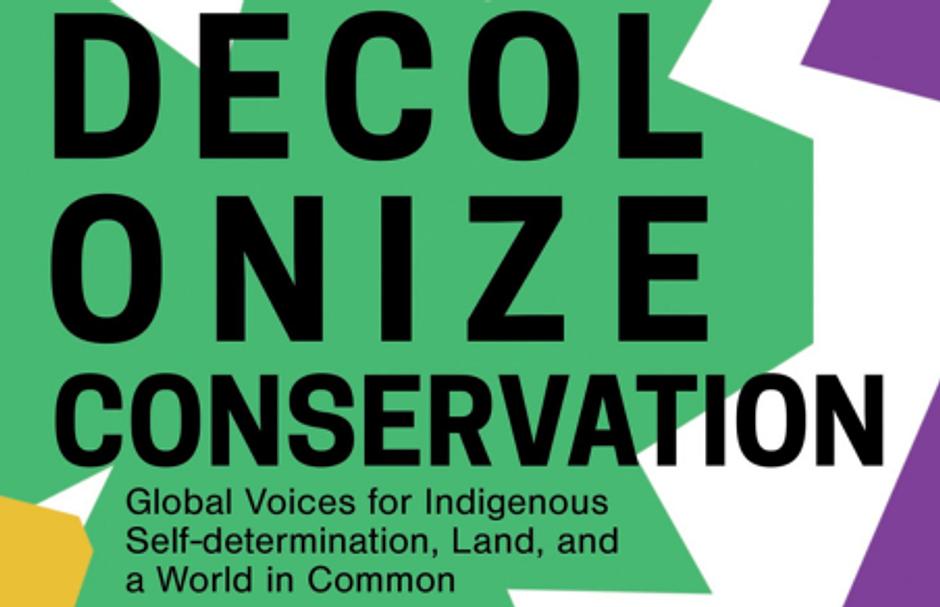
Decolonize Conservation: Global Voices for Indigenous Self-determination, Land, and a World in Common book

A powerful and diverse collection of voices from around the globe have come together in this new book. Many of the contributors are on the frontlines of the clash between “fortress conservation” and the Indigenous and local communities whose lands are being stolen and lives ruined. The book is an indispensable tool for anyone involved in conservation, from on-the-ground practitioners to NGO staff and academics.

You can buy the book here.

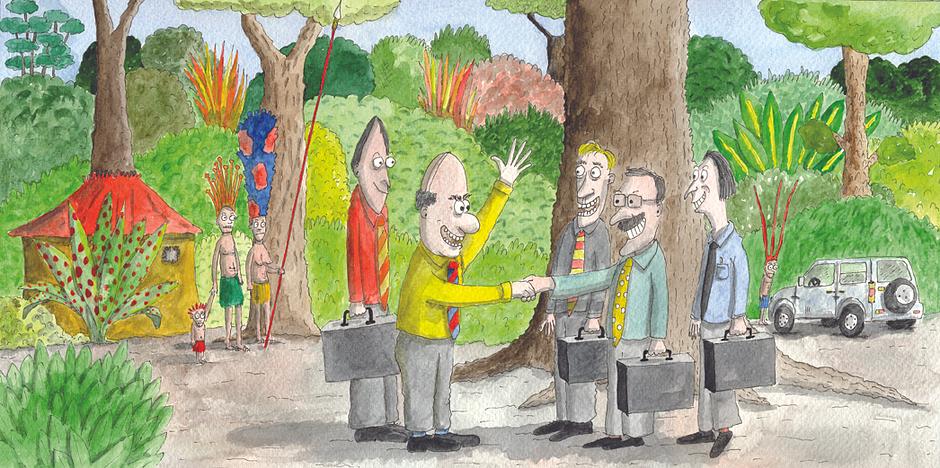
There you go!

Around the world ‘development’ is robbing Indigenous peoples of their land, self-sufficiency and pride and leaving them with nothing.

Watch this short, satirical film, written by Oren Ginzburg and narrated by actor and comedian David Mitchell, which tells the story of how Indigenous peoples are being destroyed in the name of so-called ‘development’.

You can download the booklet version here.

Looking for more?

Do you have further questions regarding Indigenous peoples’ rights or Survival’s work? Do you have feedback on our educational resources? Do you need printed materials such as leaflets, reports or stickers? Would you like to invite Survival to speak to your students or host a workshop? Then see the links below, or get in touch with us via [email protected].

PS: To learn about Indigenous peoples and their struggles, it’s best to learn directly from them. You can watch testimonies from Indigenous peoples here.