Indonesia: Ground-breaking event to strengthen global alliance for uncontacted peoples' rights culminates in new Jakarta Declaration
March 3, 2026
 © SIRGE Coalition
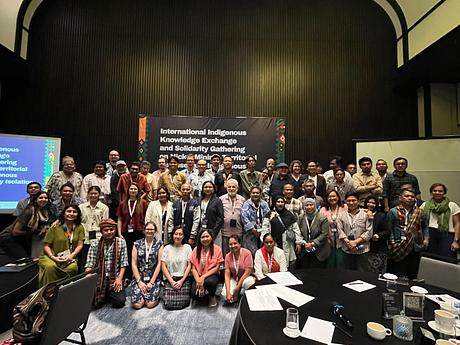
Indigenous leaders and organizations from South America, Asia and the Pacific came together in Jakarta, Indonesia, in a bid to strengthen the global alliance for the protection of uncontacted peoples' rights and to draft a declaration of support.
The Jakarta Declaration calls for governments and other relevant actors to protect the lands and rights of uncontacted peoples worldwide. Indonesia's biggest Indigenous organization AMAN (Aliansi Masyarakat Adat Nusantara) collaborated with SIRGE Coalition, Survival International, IWGIA, GTI PIACI (with representantives from COIAB, AIDESEP, OPIAC and others), EARTHWORKS and Tallgrass Institute to draft and sign the declaration.
The meeting, known as the first International Indigenous Knowledge Exchange and Solidarity Gathering on Nickel Mining, Territorial Defense, and Indigenous Peoples in Isolation, took place between January 26 and 29.
Discussions largely focused on resistance against nickel mining across the three continents. Nickel mining is particularly threatening to the survival of uncontacted peoples in Indonesia, such as the Hongana Manyawa people, whose lands are being destroyed by the biggest nickel mine in the world, operated by Weda Bay Nickel.
Ngigoro, a Hongana Manyawa man, denounced nickel mining on his people's land and stressed the importance of the event: “It's a huge opportunity to meet other Indigenous peoples from around the world and to be able to share my story of when I still had no contact with the outside world. It helped others understand the Hongana Manyawa people."
Sophie Grig, Senior Research and Advocacy Officer at Survival International, said: "This landmark declaration symbolises how Indigenous peoples worldwide are coming together to demand protection for their uncontacted and isolated relatives. It affirms that extractive industries such as logging and mining must be banned on uncontacted Indigenous Peoples' lands, as they cannot give their free, prior and informed consent to such projects. It also calls for anyone else seeking to exploit such peoples to be banned too, whether they're missionaries, adventure tourists or influencers. Uncontacted peoples have the right to exist, and can only do so if their territories are recognized and protected – it's as simple as that."